
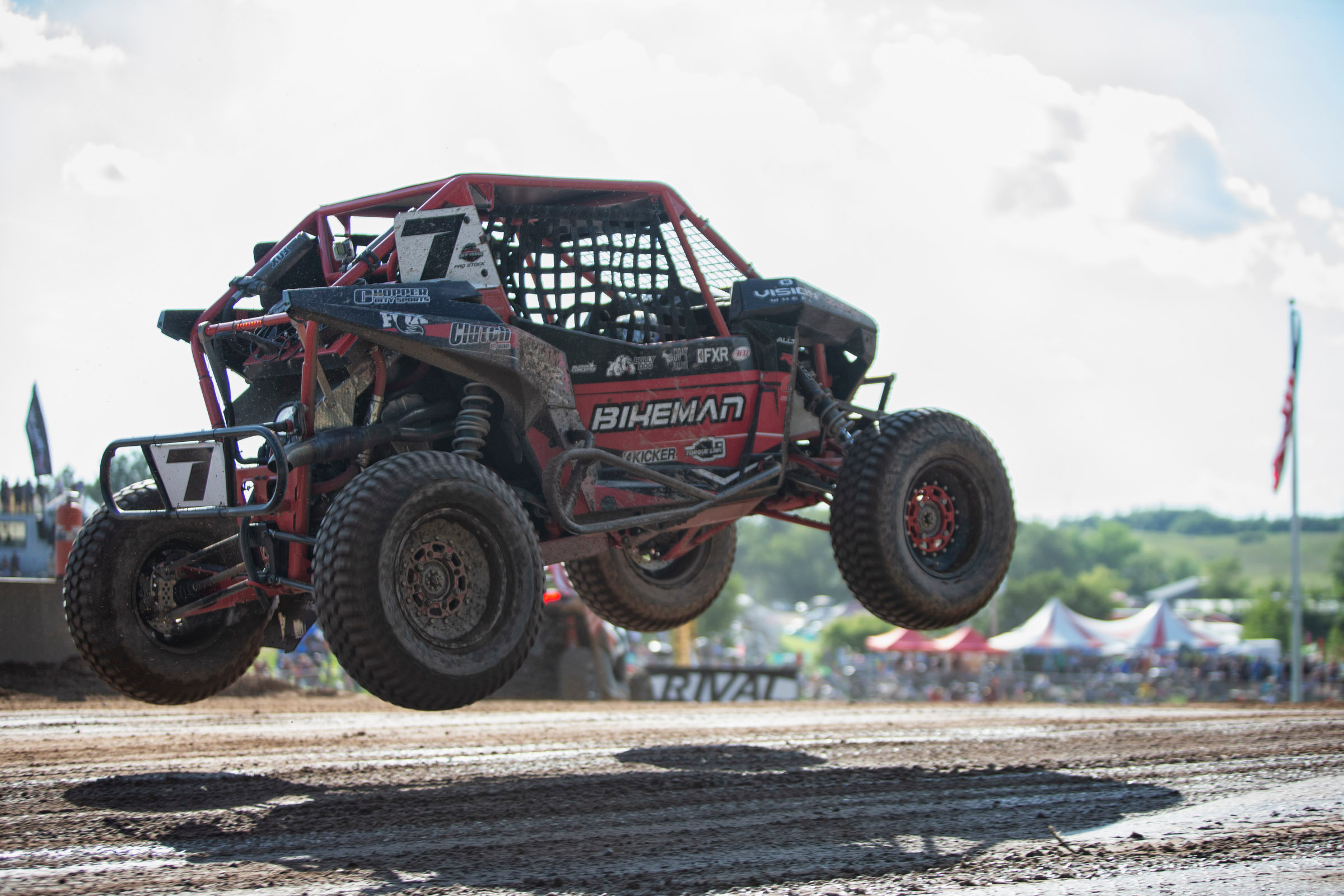
An aftermarket performance part has two stories. There’s the one on the product page: fit, finish, specs, compatibility. Then there’s the one that starts when the workday ends and the garage door rolls up.
The machine is waiting. The next ride is coming. Maybe a friend shows up with a beer. Maybe it’s just you, a stubborn problem, and tools spread across the floor. Either way, the part belongs to something bigger than itself.
That’s the difference between showing what a product is and showing why somebody wants it.
When I worked as creative director at Bikeman Performance, the company made aftermarket performance parts for UTVs. I led creative direction, wrote copy, and photographed the products. The parts were Bikeman’s. My job was to connect them with the people who rode with them.
During an 18-month period at Bikeman, online sales doubled. That growth came from a larger commercial effort, not one photograph or one campaign. My part was the creative, building a connection between the products and the riders they were made for.
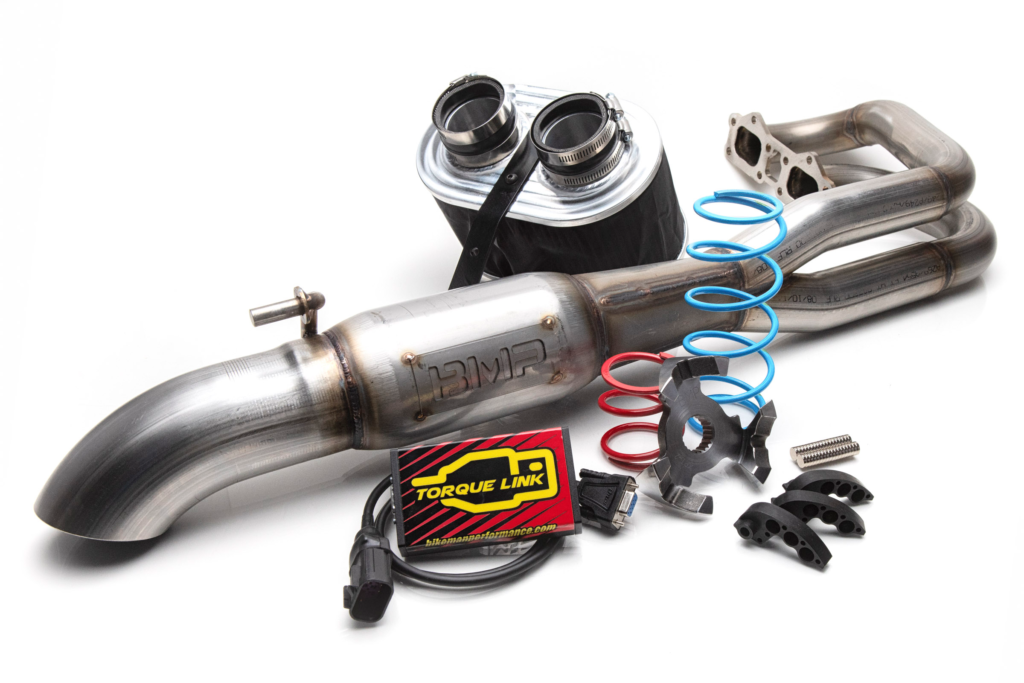
We had plenty of numbers to work with: horsepower, foot-pounds of torque, performance gains at different elevations. Those numbers mattered. They helped answer technical questions and compare one setup with another.
But the customer wasn’t buying a number to hang on the garage wall. He wanted more out of his time on the machine. He wanted to push harder, spend less time fighting a weak setup, and feel the machine respond when he opened it up. He wanted the satisfaction of building it himself and knowing what he’d done.
For a lot of riders, this was time away from a hard workweek. The machine gave them somewhere to go, something to build, and a reason to spend the night in the garage. The quick repair could eat half the evening. “We’re almost done” has never been a dependable estimate.
Sometimes it was a group effort. Somebody found the problem. Somebody else had a better idea. Sometimes it was one person and a machine, working through the puzzle until it made sense. Tools clattered. Fuel got on your clothes. A small problem stole an hour. Then the engine turned over, the problem was gone, and the evening had paid off.
That was part of the pleasure. The machine was a project, a reason to gather, and a way to feel more alive than the workweek allowed. Some riders wanted to get back to the freedom they remembered from riding every weekend, before jobs and obligations started claiming every Saturday. Others wanted to build more of their life around riding.
The product had to belong in that life.
The line that pulled the campaign together was: “If you believe vacations involve bruises and scars, then you’re one of us. And man have we got some products for you.”
That wasn’t a list of features. It was an invitation. More than that, it recognized the customer. It said, “You know this life. You belong here.”
There’s a difference between telling people your brand has a community and making them recognize themselves in it. You can print “Built for adventure” on anything. The phrase is cheap. The customer’s own experience is harder to fake.
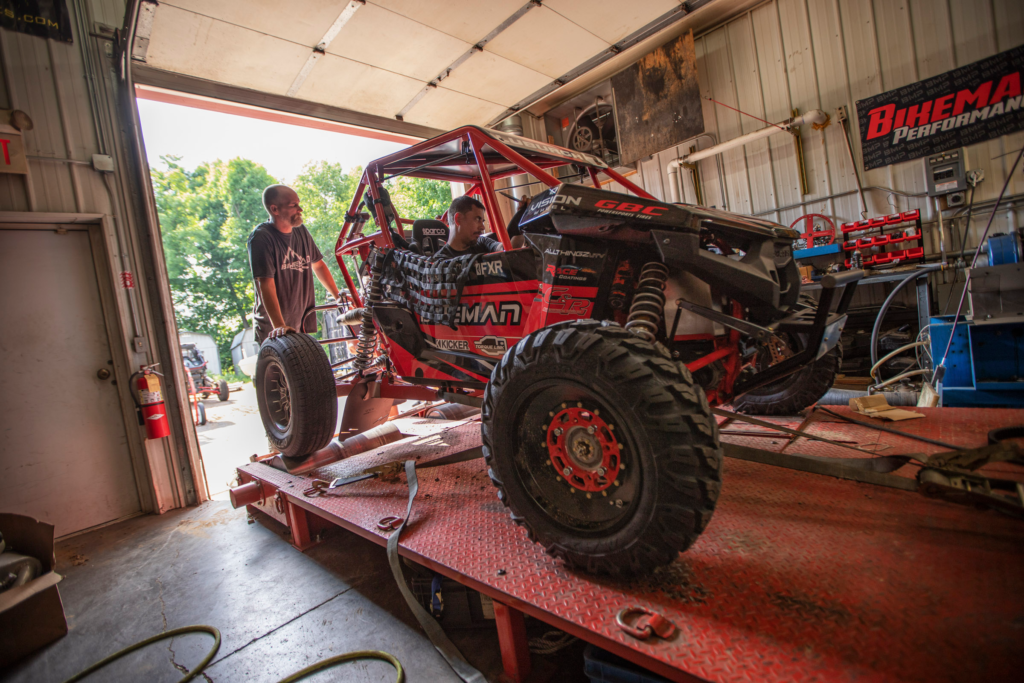
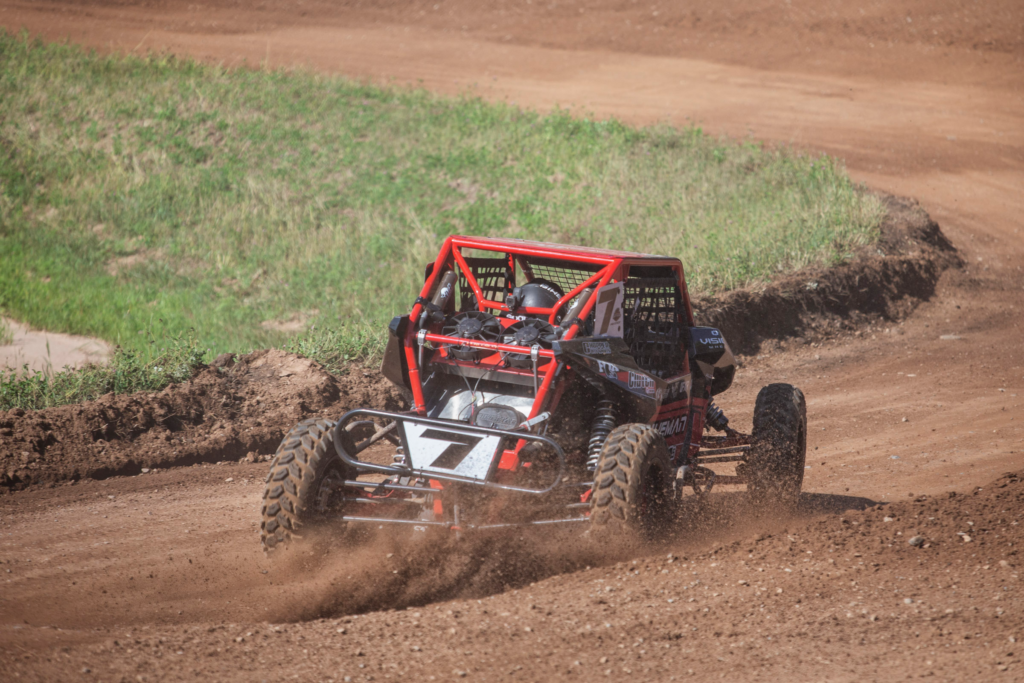
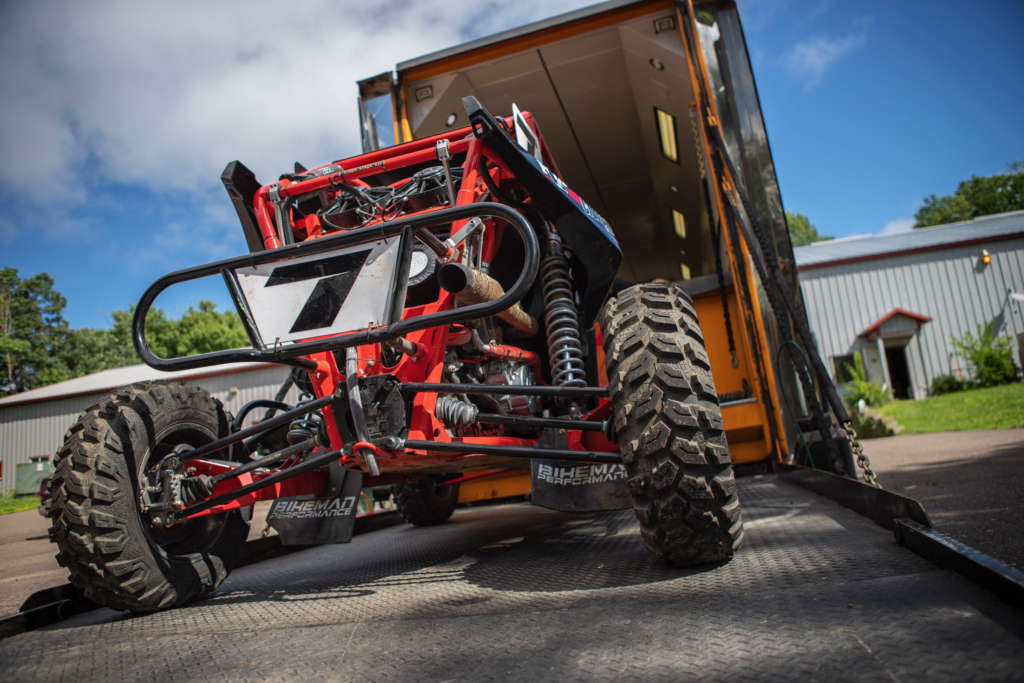
The Polaris RS1 gave the campaign a real story to follow. The crew tested it on the dyno, prepared it for an event, loaded it up, and took it to the track. There was work before the ride, anticipation before the start, and the payoff when the machine was finally moving. “More power” was part of it. The customer wanted the whole ride.
The creative had to come from a world the customer recognized. The machine, the people, and the work around it needed to belong together. A campaign can’t fake that with a slogan and a wrench handed to somebody five minutes before the camera comes out.
The audience already knew the small irritation of a repair that takes too long, the satisfaction when the machine runs right, and the anticipation before a day at the track. The work was to bring those memories close enough that a customer felt them again, or wanted to feel them for the first time.
That’s what “sell the sizzle, not the steak” means here. The specifications explain the part. The feeling gives the part a place in someone’s life. One helps a customer compare. The other makes him think, “That’s my kind of people. That’s where I want to be.”
We used dark posts on Facebook, A/B testing through Facebook and Google ads, and Brevo email campaigns sent to an audience of more than 35,000 contacts. The point was to see how the message held up across the customer’s path, from the first impression to the click to the sale. We could see where people responded, where they moved forward, and where they dropped out.
That information helped us make the creative more relevant to what riders cared about. The product still had to prove itself. Leading with price or specifications alone left out the reason people wanted to be part of the experience.
My rough accounting put the combined costs of photography, editing, content, marketing, and advertising at about one dollar for every ten dollars in website sales tracked through those ads. That was gross website sales, not net profit. Phone orders and dealer or distributor sales were tracked separately and weren’t included.
No single image, headline, or person gets to claim the result. It came from a larger effort. The useful finding was that the work had to make the customer feel recognized before asking him to compare the details.
For action-sports photographers moving into commercial work, the useful shift starts before you pick up the camera. Find the human payoff inside the product. What does it let someone do? What part of the experience will the audience recognize, remember, or want for themselves? Then build the assignment around that feeling, while making sure the product has a clear role in the story. You can bring your action instincts with you. The commercial job is to aim them at what the customer cares about.
That principle travels beyond powersports. A gym can offer the confidence of getting stronger and the relief of finding your people. An outdoor brand can offer the freedom of a long day outside. A manufacturer can offer the pride of making something right. The feeling changes. The question stays the same: what does this business make possible in the customer’s life?
For business owners, marketing teams, and agencies, that’s the useful starting point. What does the customer want to do? What do they already understand? What would make them feel this business is for people like them? Answer those questions, and the campaign has somewhere to go beyond product claims and a stack of specs.
I call my approach the reverse advertising agency method. The creative direction and production are the work I’m hired to deliver. My marketing experience helps shape how that work can serve the campaign, while the client keeps control of its marketing and media decisions.
Agencies already know that placement, strategy, and media matter. My approach gives the creative its own value instead of treating it as a throw-in attached to an ad buy. It also gives an agency a production partner who understands what the work needs to do once it leaves the shoot.
AI can produce a strategy deck, a content calendar, and a batch of copy variations before the coffee gets cold. Useful tools. The creative still has to make the right audience recognize themselves in the work. A deck can point toward the experience. It can’t stand in for the work that makes that experience feel real.
I charge for creative direction and production. I bring the marketing experience along so the work has a clear job and can be used well across the campaign. There’s no required ad buy or full-service package attached.
Start with what the customer wants to feel, what they recognize, and what they want to be part of. Then decide which product details support that story. Don’t make the customer work through a spec sheet before giving them a reason to care.
The spec sheet can tell them what the part does. The feeling is what makes them want to be there.
If you’re building a campaign around a product, a place, or a way of life, bring me into the conversation before the shot list is set. The first useful question is what you want the customer to feel.