
How to Make Your Best Work on Any Photography Assignment
Know your role. Understand the production. Use every bit of your ability to tell that part of the story.
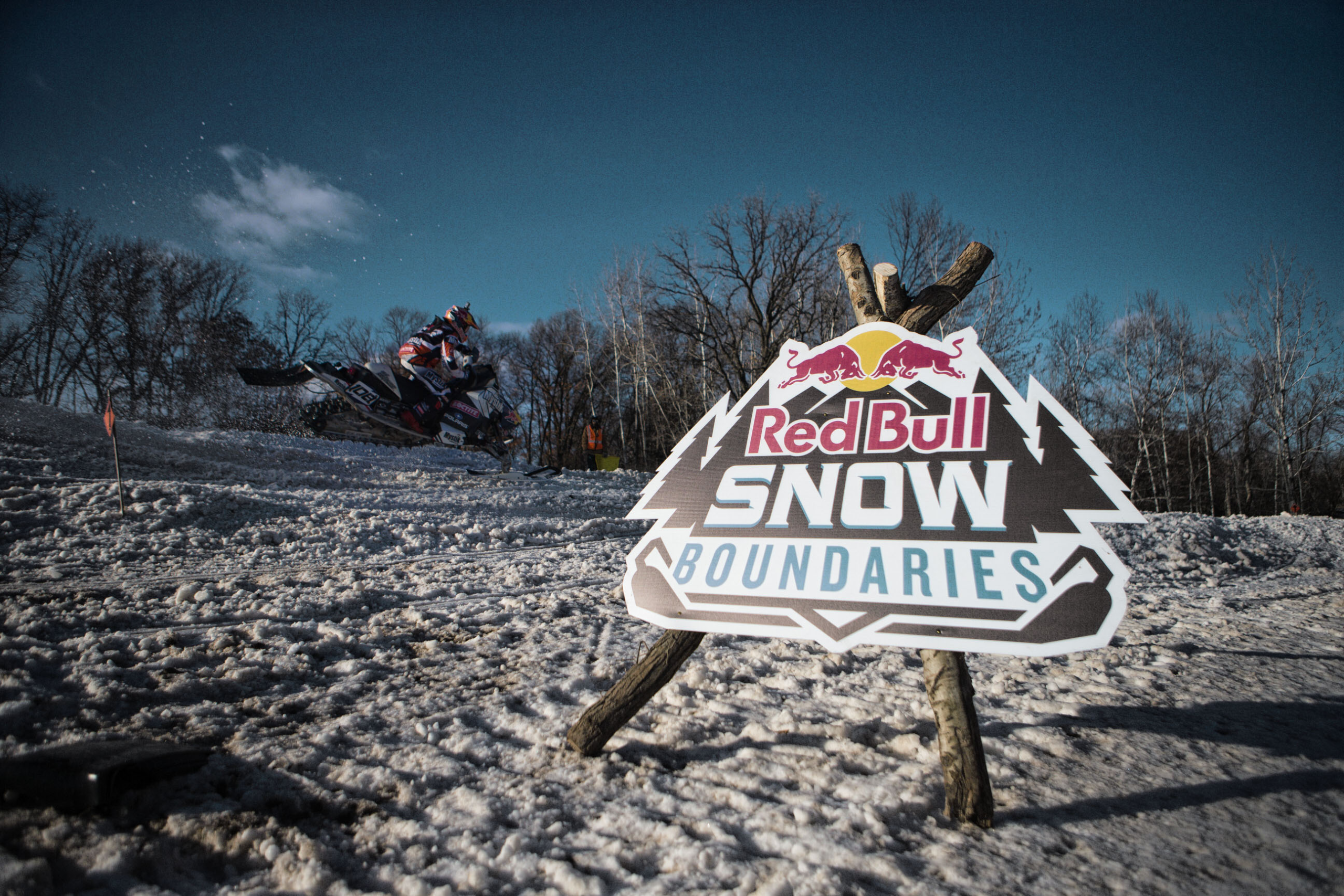
At six-thirty in the morning, ERX Motor Park was already set for Red Bull Snow Boundaries. The signs were up. The course was waiting. Staff and vendors were in position. The giant Red Bull half-arch was still being raised, a huge inflatable taking shape while the rest of the event stood ready for the crowd.
I had already been hired to shoot teaser material for the event, including the snowmaking. This was a separate assignment. Andi at SixSpeed brought me in to document the event from the marketing side: the production, the people moving through it, and the way attendees experienced what SixSpeed had built.
That was the assignment. It set my subject. It did not set a ceiling on the photography.
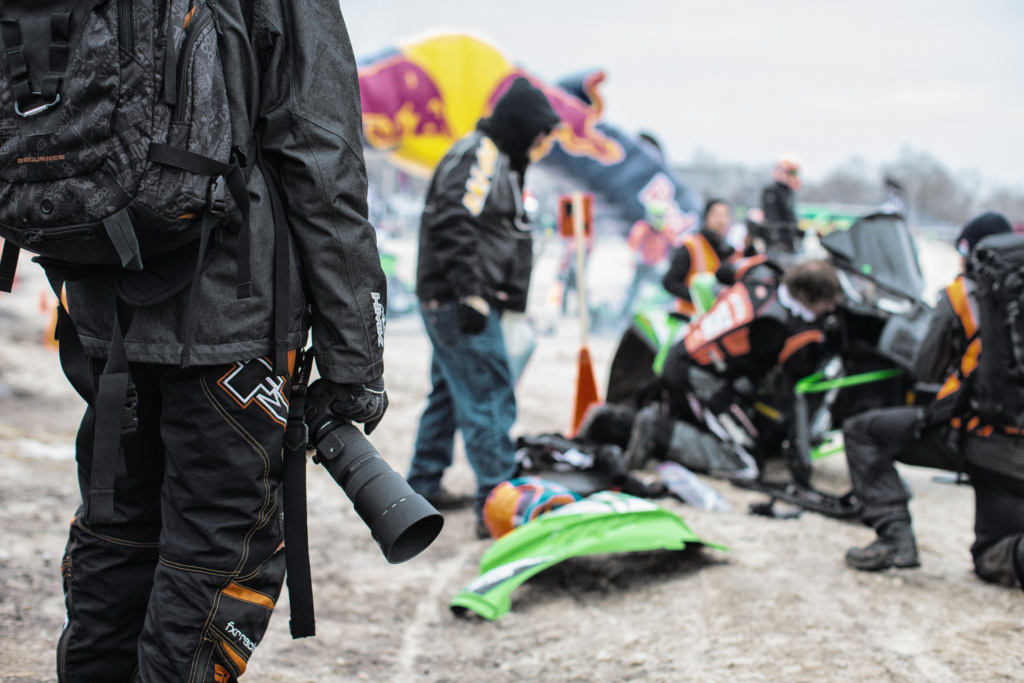
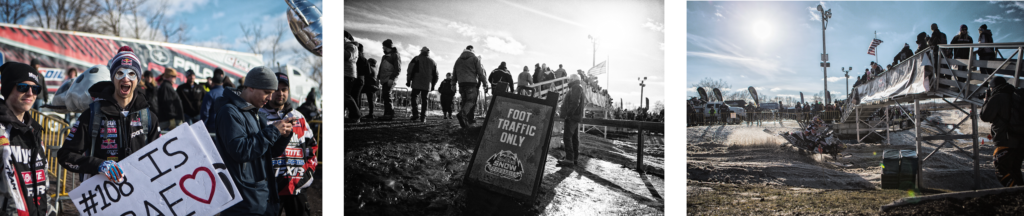
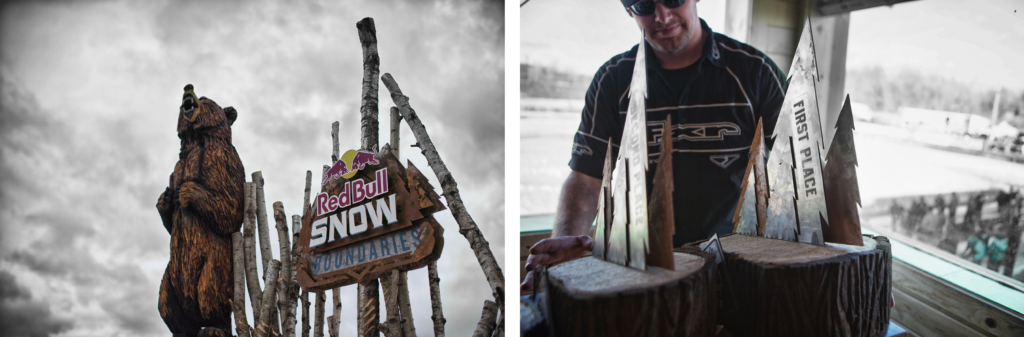
There were other photographers covering the racing. My job was to cover the work around it: signage and trophies, vendors and the DJ, the timing crew following the race on their monitors, registration, transponders handed to racers, spectators watching the course, and the people who kept the whole operation moving. SixSpeed needed images for an internal campaign that could show future clients what the agency could do with an event.
The course was built to pull your eyes toward the racers. Snowmobiles, speed, jumps, dirt and snow thrown into the air. You could spend a day chasing that action and come home with a solid race gallery. You could also leave the marketing team without the coverage they hired you to make.
I have seen photographers do exactly that. They get hired to cover one part of a production, then start chasing every other part because it looks more exciting. They shoot a little action, a little setup, a few people, maybe an award. They come back with a sampler platter and no complete coverage of the original assignment. The client still has a hole to fill.
If I had split my day between the race action, the awards, the crew, the audience, the setup, and every other thing happening at ERX, I would have given each part less attention. The action photographers would have had one more person duplicating their work. SixSpeed would have had fewer images showing the production and the audience experience.
A defined assignment gives you something to solve. Your job is to solve it with the full strength of your photography.
That means understanding the operation before you start firing away. Who is handling the racing? Who is responsible for the event build and teardown? What does the agency need to show a future client? Where do attendees arrive? How do they move through the space? Who gives them information, hands them a transponder, points them toward the course, or keeps the timing system running?
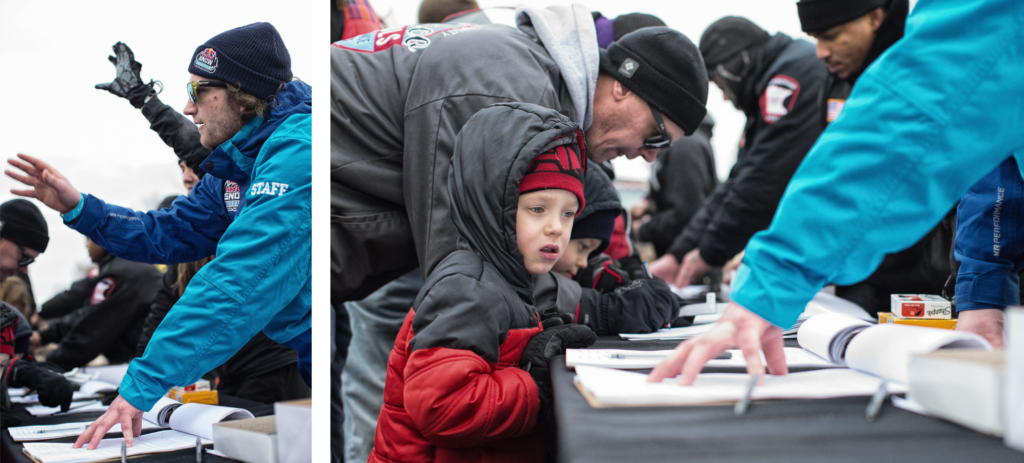
Those questions change what you look for. At registration, a transponder is a small piece of equipment changing hands. In the larger story, it is the moment a racer moves from arrival into competition. The timing crew at the monitors gives the event another point of view. The signs tell people where to go, and the crowd shows whether the place has become an experience rather than a collection of equipment and branding.
You still have to make strong photographs. The brief does not make composition, timing, or access less important. It makes your decisions more specific. Find the frame that explains the task. Watch for the expression that reveals the pressure or pleasure of it. Notice the way people use the space. Wait for the parts of the scene to come together instead of treating every subject like a box to check.
At the DJ station, the performer was an obvious subject. The kids watching him opened up another part of the scene. The event was reaching them, too. Staying there long enough to notice that gave me a different kind of coverage, one that belonged to my assignment and gave SixSpeed another way to show the audience experience.
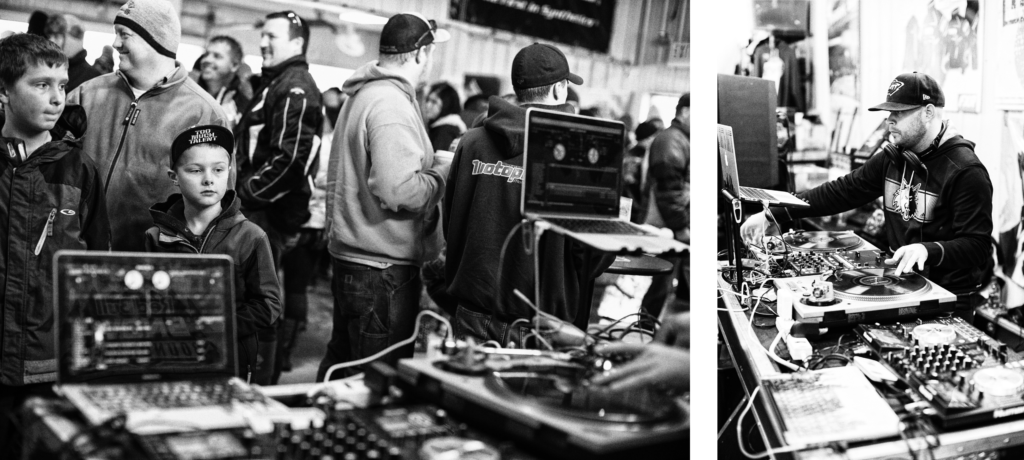
That is the creative challenge: find the image no one gets by simply pointing at the loudest thing. Sometimes it is the employee handing over a transponder. Sometimes it is a spectator turning toward the course. Sometimes it is the crew watching the race unfold on a bank of screens while the crowd watches from outside. Those moments are part of the event’s story because they show how the event works and how people inhabit it.
You also need to work in a way that lets the production keep moving. Pay attention. Anticipate. Give staff room to do their jobs. Make people comfortable enough to stay in the moment. A photographer who constantly steps into the action, redirects everyone, and turns routine work into a portrait session can become another problem for the crew to manage.
The Marine Corps taught me to understand my responsibilities and the roles around me. Know what the person leading the operation needs. Know what the people working beside you are handling. Support their work. Do not grab another person’s responsibility because it looks more exciting from where you stand.
That lesson applies on a commercial set or at an event. The client does not need you to prove you can shoot everything. The client needs you to understand what you were hired to deliver, then bring your best work to that task. When other photographers cover the racing, your job is not to compete with them for the same frame. Your job is to bring back the coverage they are not making.
At Snow Boundaries, the assignment led to larger shoots and more commercial work. SixSpeed knew I could join a production, understand what they needed, work without creating friction, and deliver images that helped them tell their story. That trust came from doing the assigned work well.
Before your next shoot, get clear on the scope. Find out what the client needs to show, which parts are already covered, and where your coverage will complete the story. Then make a plan and put your attention there.
A narrow brief is not a small assignment. It is a clear target. Your skill shows in how much you can see, feel, and communicate while keeping your focus on it.