
After three decades making commercial photography and stock imagery across fitness, human performance, adventure, outdoor, and lifestyle, I still begin a gym shoot the same way. I take a lap and read the room.
A working gym has its own pace. Members are training. Equipment sits close together. Light and backgrounds shift from one section to another. I notice the sound, the smell, the crowding, and the light. Then I look at the practical details: walls, signs, logos, equipment in use, and the people moving through the space. I start where I can make clean frames, then work toward tighter angles and busier areas.
The floor changes the shoot. One part may be bright and open. Another may be dark, crowded, or packed with equipment. The training changes with it, and the frame has to follow. I work the room instead of fighting it. Clean first, then complicated. That gives me useful images early, then I can spend time on the harder frames.
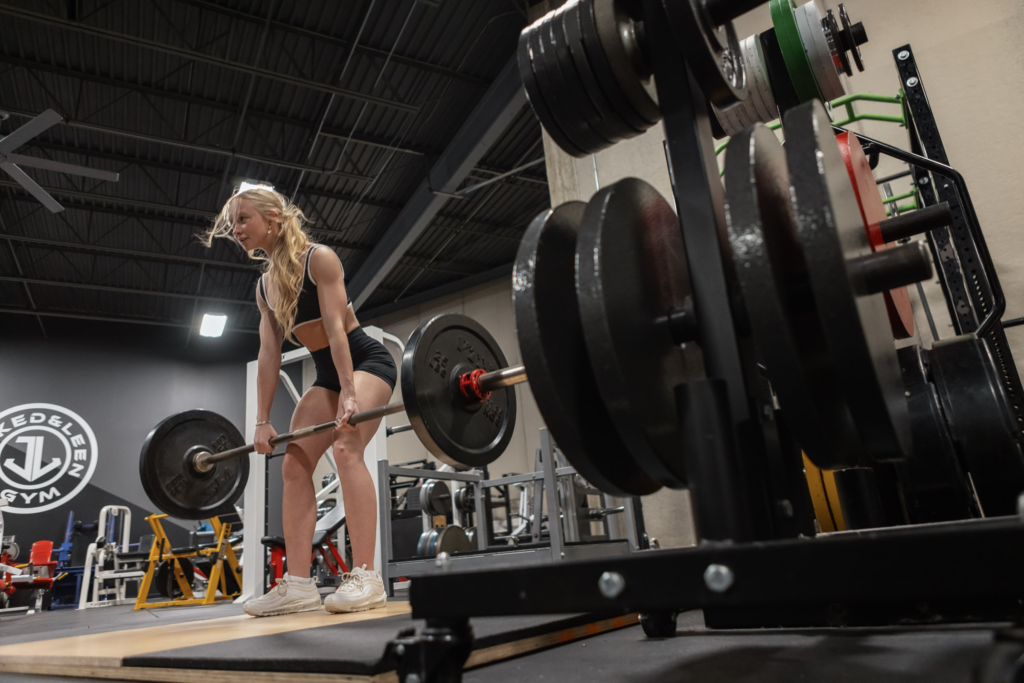
If someone has not signed a release, I keep them out of the frame or account for them in the edit. I would rather solve that on the gym floor than discover it later at the computer. Camera height changes the viewer’s relationship to the athlete. I work from waist level, near the floor, around a corner, or close with a wide lens. I choose a position for what it does to the athlete and the space, not out of habit.
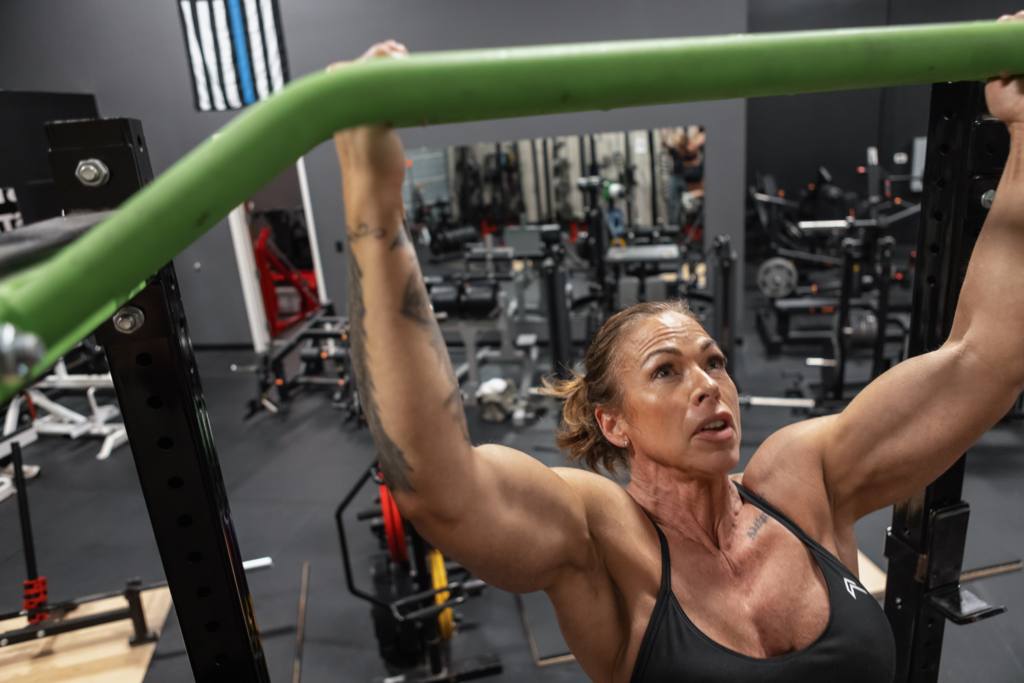
The athlete brings the movement. If it feels forced, we reset. We breathe, talk about what she already knows, and go again. I watch the jaw, the eyes, and the effort. Sometimes a dry joke eases the tension, then we get back to work. One frame can do several jobs, athlete, coach, gym, stock, if I plan it. Before I start, I ask what each person actually needs so nobody is guessing later. I play well with others because that is how you finish in a room you do not control.
That lap around the gym is not wasted time. It is where I begin making decisions. I am looking at how people move through the space, which equipment is being used, where the backgrounds open up, and where a small shift in position might solve a problem. I am also listening. A trainer may have a routine they need to keep. An athlete may be close to a competition and working within specific limits. The gym has members who came to train. The shoot has to fit inside all of that.
I learned this from years of working in places that were not built to wait for a photographer. A gym is a business in motion. The people using it should not have to stop their workout because I found a machine I like. If I need to move an athlete, change my angle, or wait for a rack to open, I do that without turning the floor into my personal studio. The camera is my responsibility. So is the way I use the room.
One gym I worked in was divided into three clear visual zones. The front had white walls, light ceilings, bright colors, and a dense cluster of upper-body equipment. The middle section shifted around a large mural. The back of the gym turned darker, with black and gray walls, squat racks, platforms, hip sleds, and other lower-body equipment.
Those sections gave me different ways to work without changing locations. The front had more light and more visual clutter. The mural brought color and language into the background. The darker area had heavier equipment and a different kind of contrast. I could not make the same decisions in every section and expect the images to feel different. I had to pay attention to what each area gave me and what it asked me to solve.
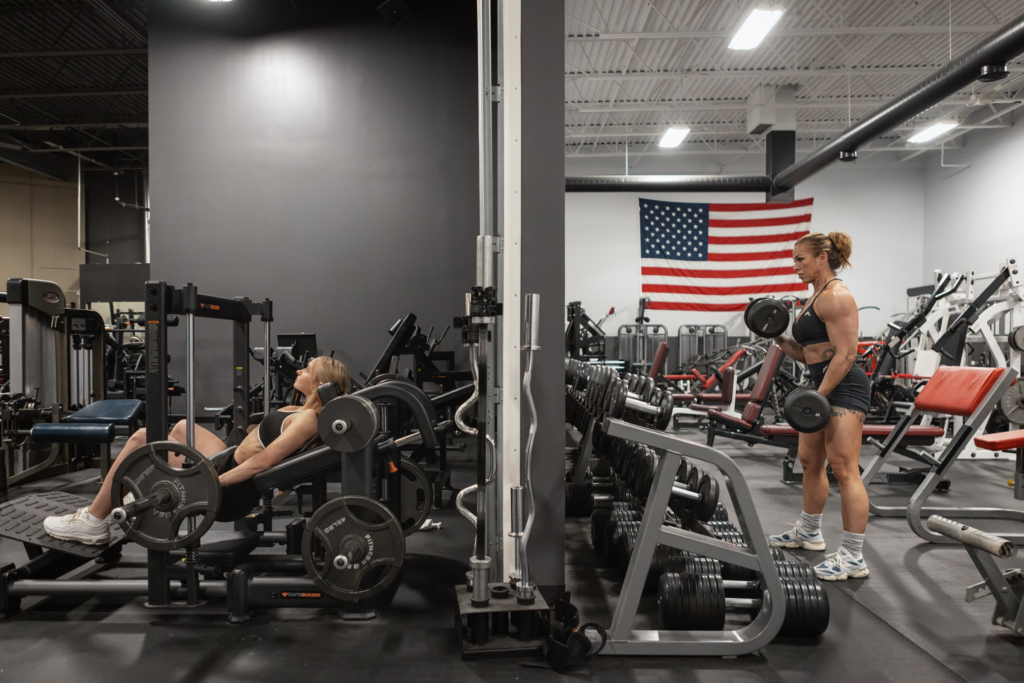
n the brighter part, I watched how pale walls and reflective surfaces affected exposure and separation. In the darker part, I looked for enough available light to keep the athlete’s movement readable. Black equipment against dark walls can disappear. A bright outfit can help, but only if its color works with the equipment and the light. I do not assume that a camera setting or wardrobe choice will work everywhere. I check it in the room.
For the recent shoot, I worked with available light instead of bringing strobes and stands. We had a limited amount of time. A lighting setup can produce a particular look, but it also takes time to place, adjust, and move. I wanted to spend that time working with the athletes and the gym. The available light gave me a narrower range of options, especially in the darker sections. That was a tradeoff, not a surprise. I could work around it by choosing the right position, paying attention to the background, and knowing when a frame was worth the time.
I usually start in a section where I can work efficiently. That gives me time to see how the athlete moves and make dependable images before I head into the more crowded or difficult areas. A cluttered background, an occupied machine, or a narrow aisle may take longer to solve. If I begin there, I can lose the first part of the session trying to make one complicated frame work. I would rather establish a base of strong options, then take on the harder conditions.
That order also helps the talent. They do not need to be marched from one machine to another without knowing why. I can explain what we are working toward, give them room to settle into the movement, and keep the session moving. The gym owner sees a photographer who is paying attention to the facility. The athletes see that I am working with them, not just pointing a camera and asking them to repeat the same thing until I get lucky.
The most useful direction often starts with what the athlete already knows. I want the exercise to look correct, but I do not need to teach a competitor how to move through a familiar lift. I watch the mechanics and the expression together. If the movement looks awkward, or if the athlete starts holding a position instead of training, I adjust. Sometimes that means a small correction. Sometimes it means stopping, letting them reset, and asking what they would normally do for that movement.
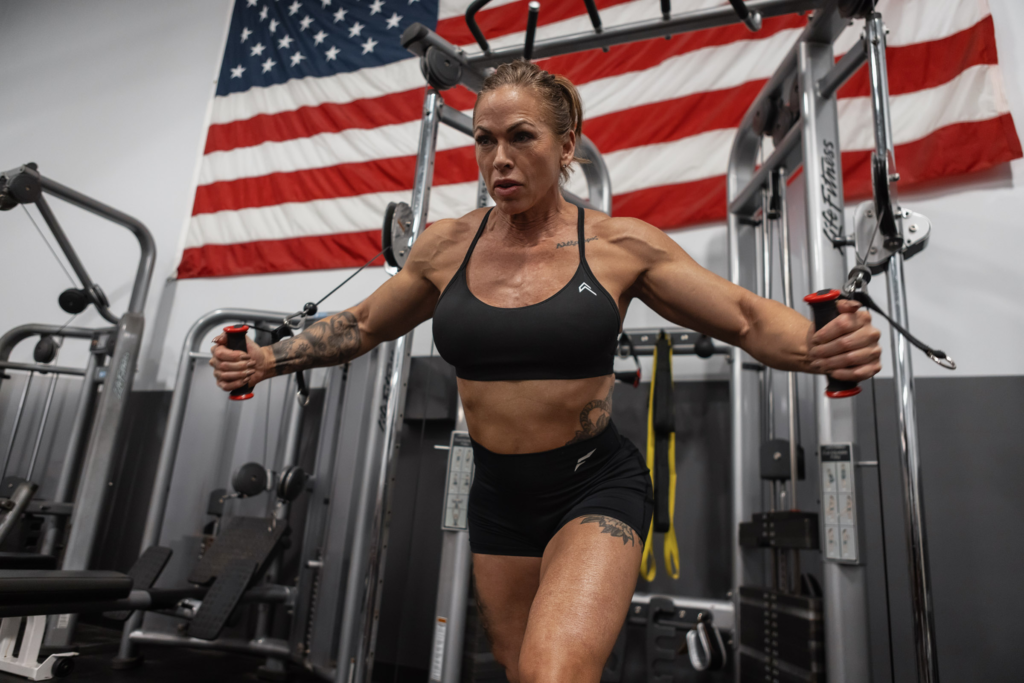
That distinction matters during a shoot. Give someone too many instructions and they stop exercising. They start demonstrating that they can follow instructions. You may get the pose, but lose the person’s rhythm. I want enough direction to make the movement clear and enough restraint to let the athlete bring her own knowledge to it.
When someone gets tense, I may ask her to step back, breathe, loosen her jaw, and shake out her arms and legs. Sometimes we talk for a moment. A dry joke can help if it fits the person and the situation. People make unusual faces under load. A laugh can break the concentration on the camera, and then we go back to the work. The point is not to entertain the room. It is to make it easier for the athlete to move naturally.
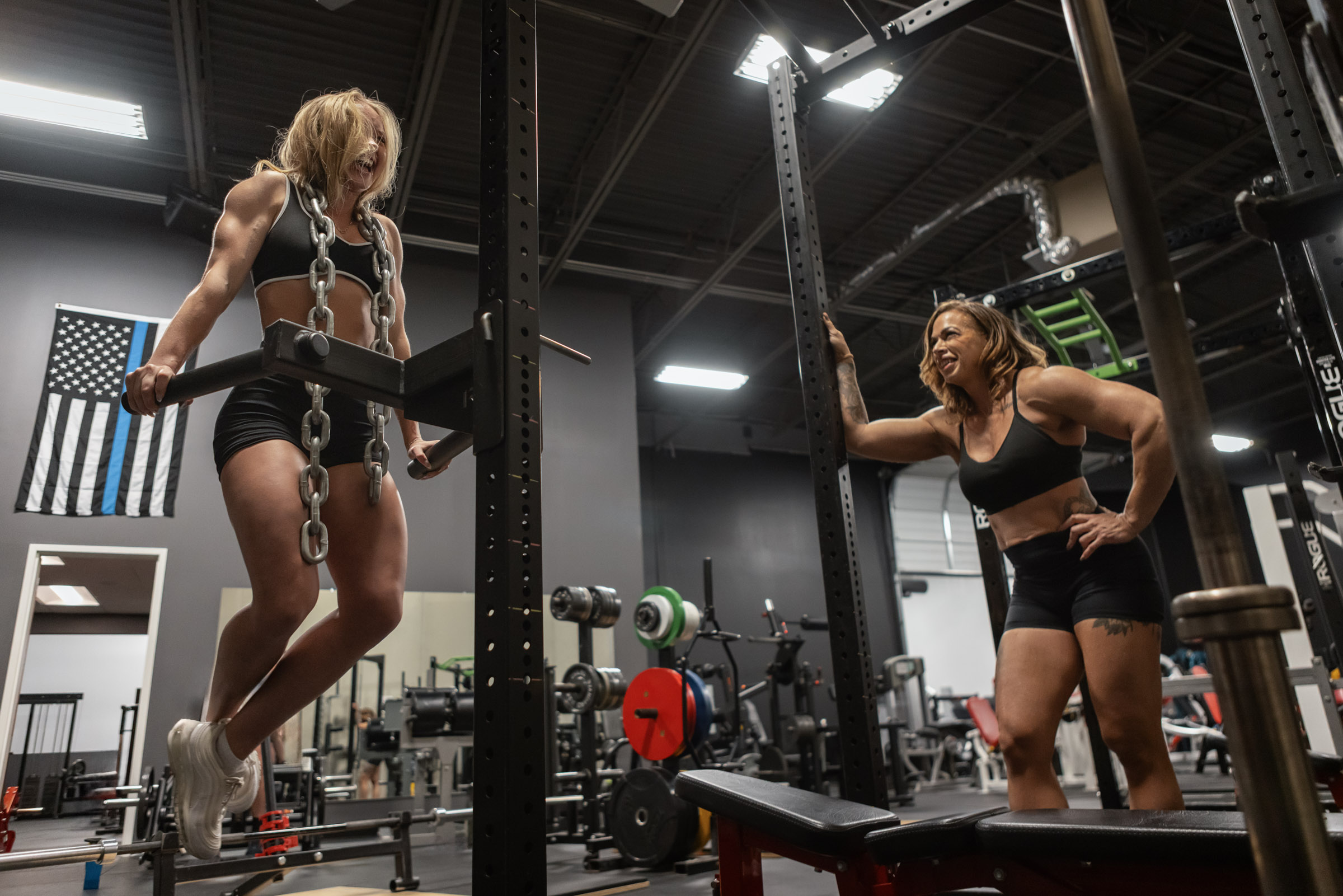
With two athletes, the job includes another layer. Sandra is a coach who works with bodybuilding and bikini competitors. Destyni is a bikini competitor. I wanted Destyni’s movement to look controlled and correct. I wanted Sandra to look attentive to the work. I wanted the effort to come through. I also wanted the relationship between them to register, because a viewer can read several things in that connection: coach and athlete, friends training together, or two competitors who understand what the other is doing.
They had not seen each other in months. That gave the session a connection neither of them needed to manufacture for the camera. My job was to notice it and leave enough room for it to show up while still making the exercise and each person’s role clear. Both women needed to feel good about the photographs. The image had to show athletic ability without reducing either person to a pose.
That balance is useful to photographers working with talent. A model or athlete should not have to guess whether the photographer sees her as a person or as a body in a frame. Explain the purpose of the session. Listen when she tells you how she trains. Direct the details that affect the photograph, then let her do the work she already knows. Comfort is not separate from the image. It affects how a person carries herself, how she moves, and how much she trusts the process.
I also think about how the images will be used. My years in marketing taught me what happens when a business receives photographs that look good on a screen but cannot do the job they need. A crop may leave no room for a headline. Every frame may have the subject centered with no variation. The images may show the equipment but say nothing about the people who use it.
I plan for variety in framing and use. Some photographs need to establish the gym and its environment. Others need to hold attention on the athlete, the coach, or the movement. Some need room for copy. Not every image should have empty space, and not every image should be tight. The purpose is to return with a set of photographs that gives the business choices instead of a folder of near-duplicates.
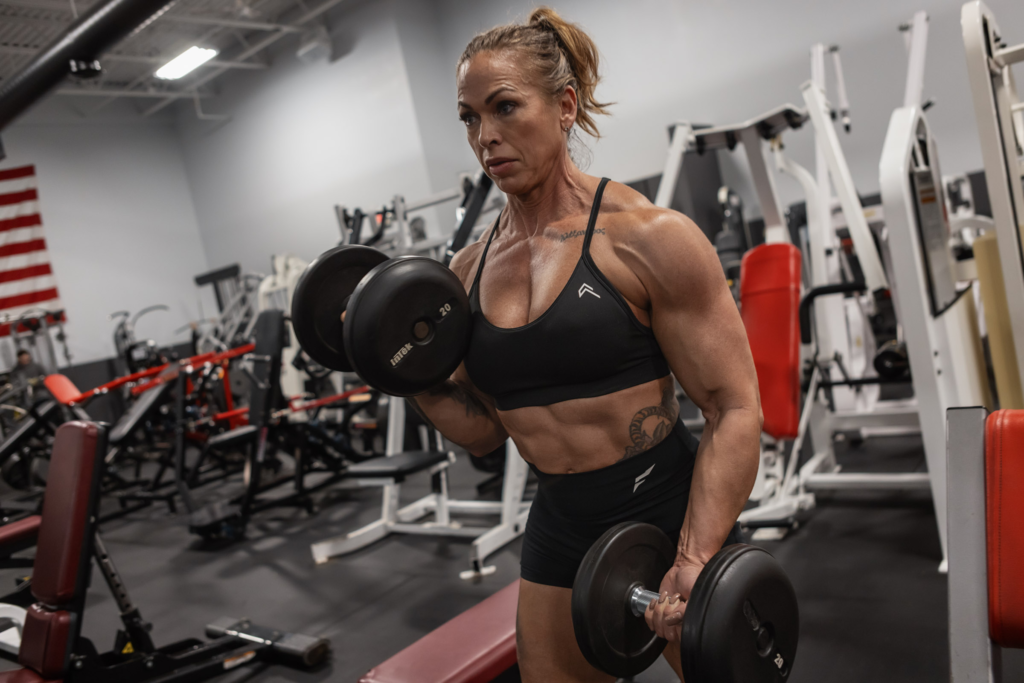
Before the shoot, I ask what each person needs from the session. A coach may want photographs that show how she works with athletes. A competitor may need images for her personal branding. A gym may need material for its own marketing. I may be building a commercial stock library. Those uses can overlap, but I do not assume they are identical. We talk about the goals so nobody walks away feeling used or shortchanged.
I want everyone to leave with something they can use for the time and effort they put into the shoot. That is how I work with athletes, trainers, and gym owners. I listen, make clear decisions, and keep the session moving. I do not need the gym to become a set. I need to understand what is happening there and make photographs that fit the people and the work.
A working gym gives a photographer limits. It also gives us a structure to work with, different zones, different light, different equipment, and athletes who know their own training. Read the room. Make your choices for a reason. Give the people in front of the camera enough direction to feel supported and enough space to be themselves. That is how I make the most of the time we have, and how everyone leaves with images worth keeping.